TRT & Hormones
TRT (testosterone therapy) means bringing low testosterone back up to a healthy, normal range - not pushing it above it. That single distinction is the whole point of this hub. Whether you are a regular guy weighing therapy for low-T symptoms, or you are coming off a steroid cycle onto a maintenance dose, everything here is explained in plain language, one system at a time.
A replacement dose is far gentler on the body than a bodybuilding cycle - but gentler is not risk-free. TRT still moves real things: red blood cells, estrogen, fertility, sleep, and mood. The guides below walk through each one simply - what happens, why, and what to check on your labs. If you came here from the steroid side of the site, that mismatch is exactly what these pages exist to clear up: TRT is not a cycle, and a cycle is not TRT.
Core TRT & Hormone Guides
Start here for the foundation: what TRT is, how testosterone is measured, why free testosterone matters, how SHBG changes interpretation, and why bloodwork should guide hormone decisions.

What Is TRT?
Understand testosterone replacement therapy, who it is meant for, how symptoms and bloodwork connect, and why TRT differs from steroid cycles.

Total vs Free Testosterone
Learn the difference between total testosterone, free testosterone, SHBG, hormone availability, and TRT bloodwork interpretation.

SHBG Explained
Learn how sex hormone-binding globulin affects free testosterone, hormone availability, symptoms, and TRT bloodwork interpretation.

Estradiol on TRT
Learn how E2 affects libido, mood, water retention, sexual function, and why estrogen balance matters during TRT.

TRT Bloodwork
Learn which TRT labs actually matter, including CBC, estradiol, SHBG, lipids, blood pressure, and hormone monitoring.

TRT Injection Frequency
Learn how once vs twice weekly testosterone injections affect hormone stability, peaks, troughs, estradiol, and bloodwork timing.
Learn TRT Step by Step
Start with the foundation, then move into hormone interpretation, bloodwork, estradiol, SHBG, and injection frequency. TRT education works best when each marker is read as part of one system.
Start With TRT Basics
Understand what TRT is before comparing protocols or lab targets.
Read Markers Together
Total T, free T, SHBG, and estradiol should be interpreted together.
Use Bloodwork as Context
CBC, lipids, blood pressure, and symptoms show the bigger picture.
Think Long Term
The goal is stable health markers, not chasing one perfect number.
Symptoms, Stability & Long-Term Monitoring
After the foundation, TRT education moves into real-world outcomes: symptoms, libido, sleep, blood pressure, hematocrit, fertility, and long-term monitoring. These guides will help connect hormone numbers with how TRT actually feels and functions over time.
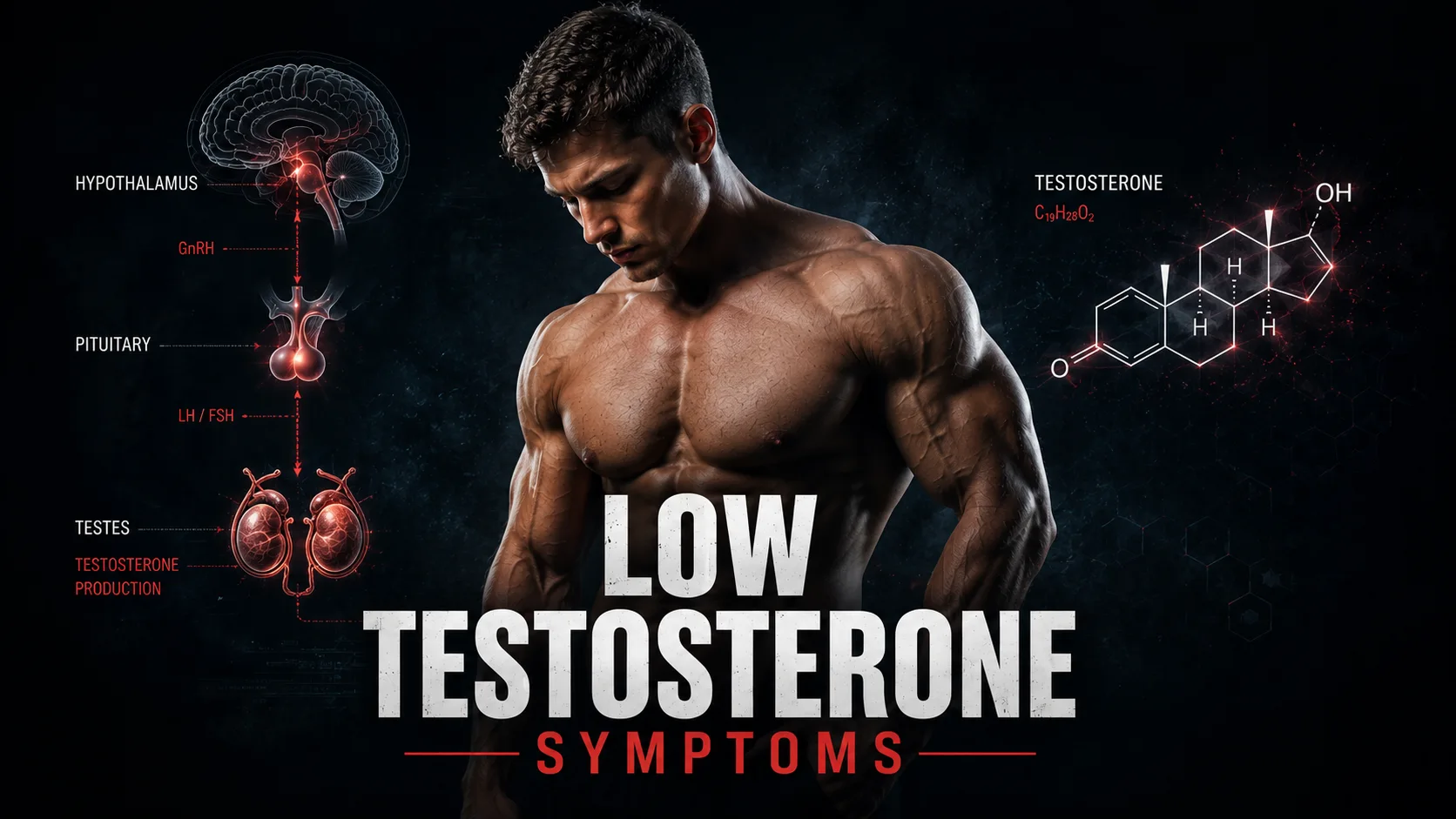
Low Testosterone Symptoms
Learn how low testosterone symptoms can affect libido, mood, energy, recovery, sleep, and why bloodwork matters before assuming low T.
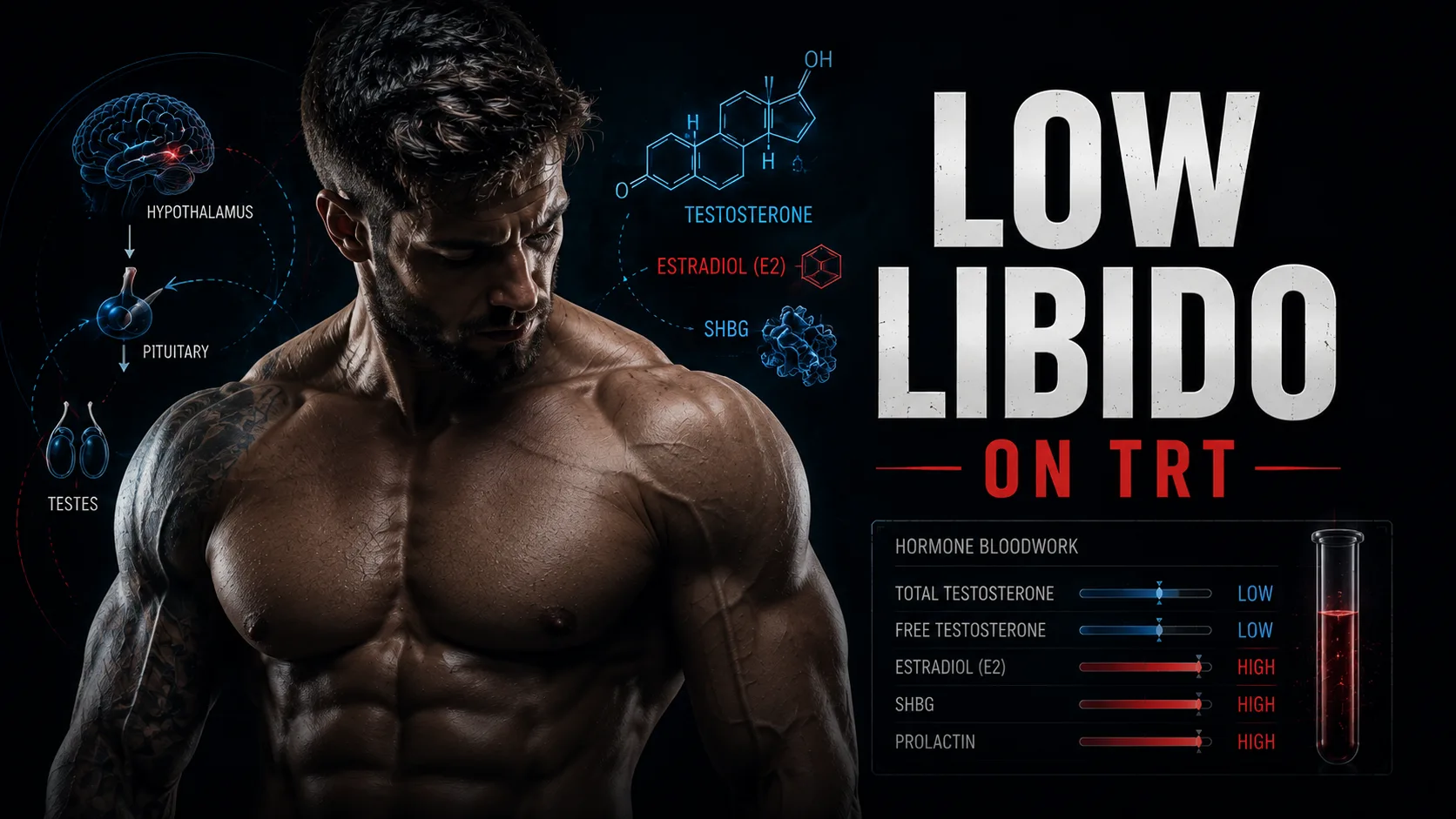
Low Libido on TRT
Seven reasons libido can stay low on TRT - estradiol, prolactin, SHBG, thyroid and more - and exactly what to check.

TRT and Sleep
How TRT affects sleep apnea, insomnia and night sweats - what the evidence shows and how to protect your sleep on therapy.
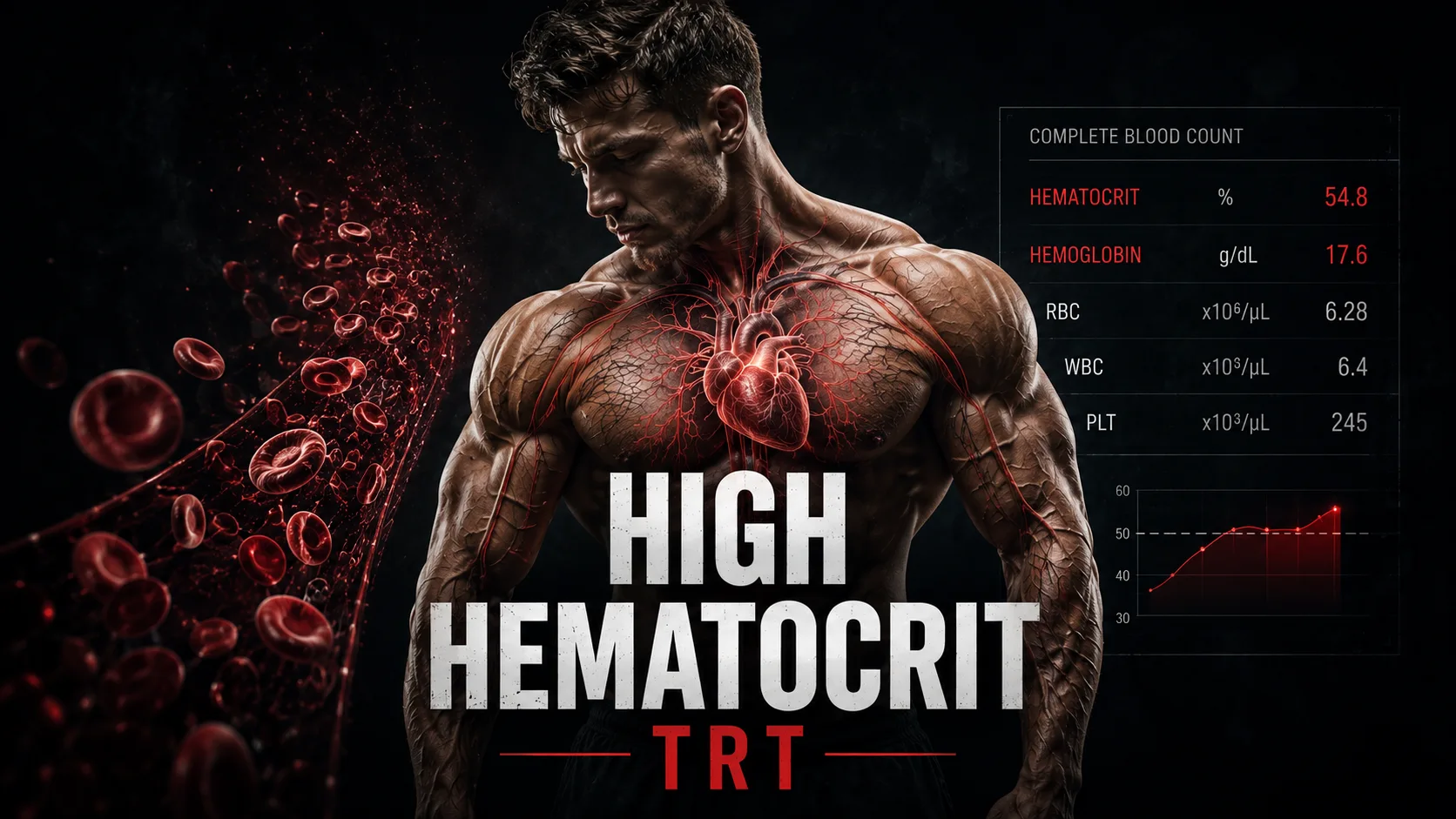
High Hematocrit on TRT
Why testosterone raises hematocrit, which levels are safe, and how to lower thick blood on TRT with dose, donation and hydration.
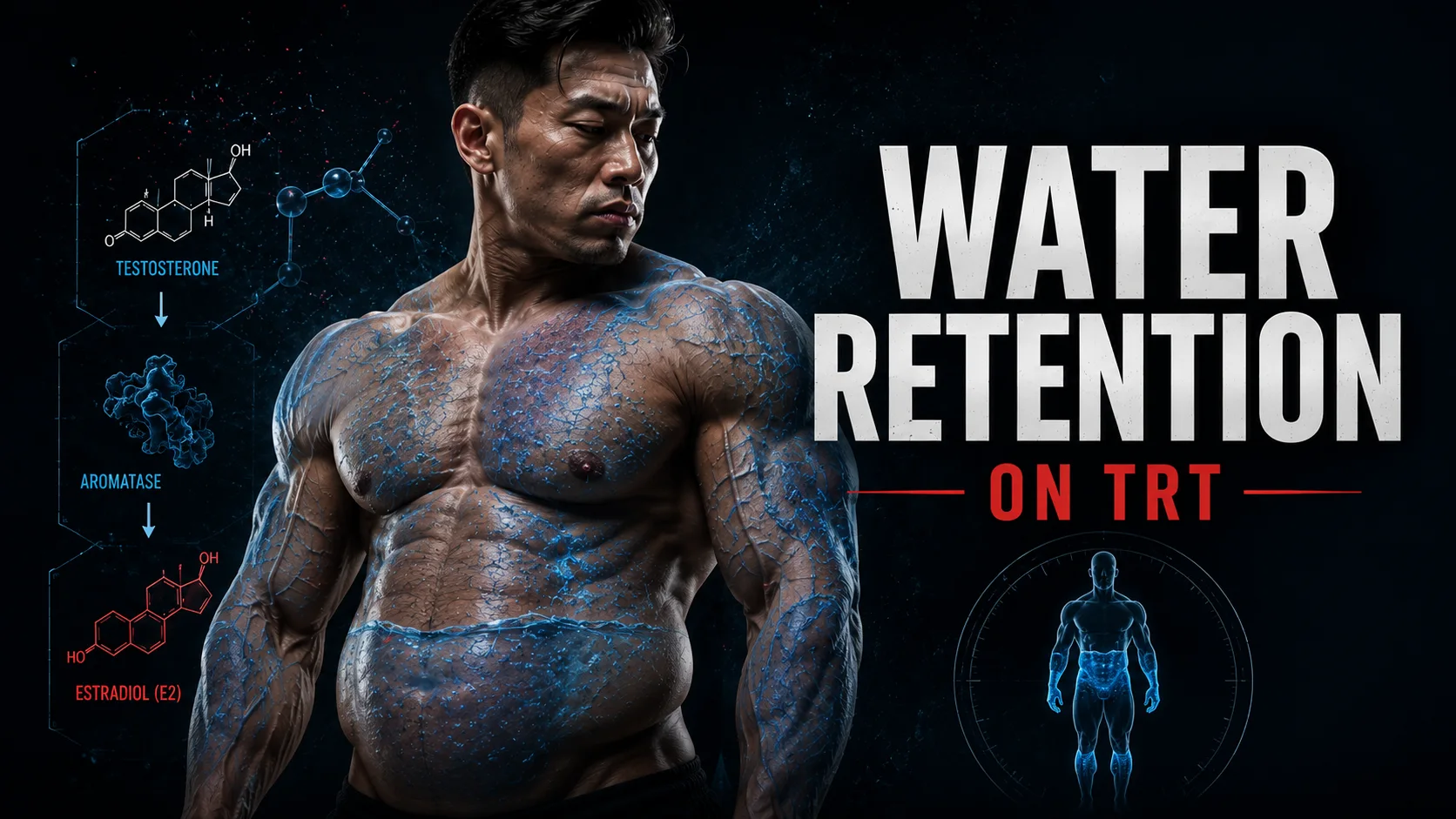
Water Retention on TRT
What causes water retention on TRT, when the bloat settles, the red flags to watch, and practical fixes for estradiol and sodium.
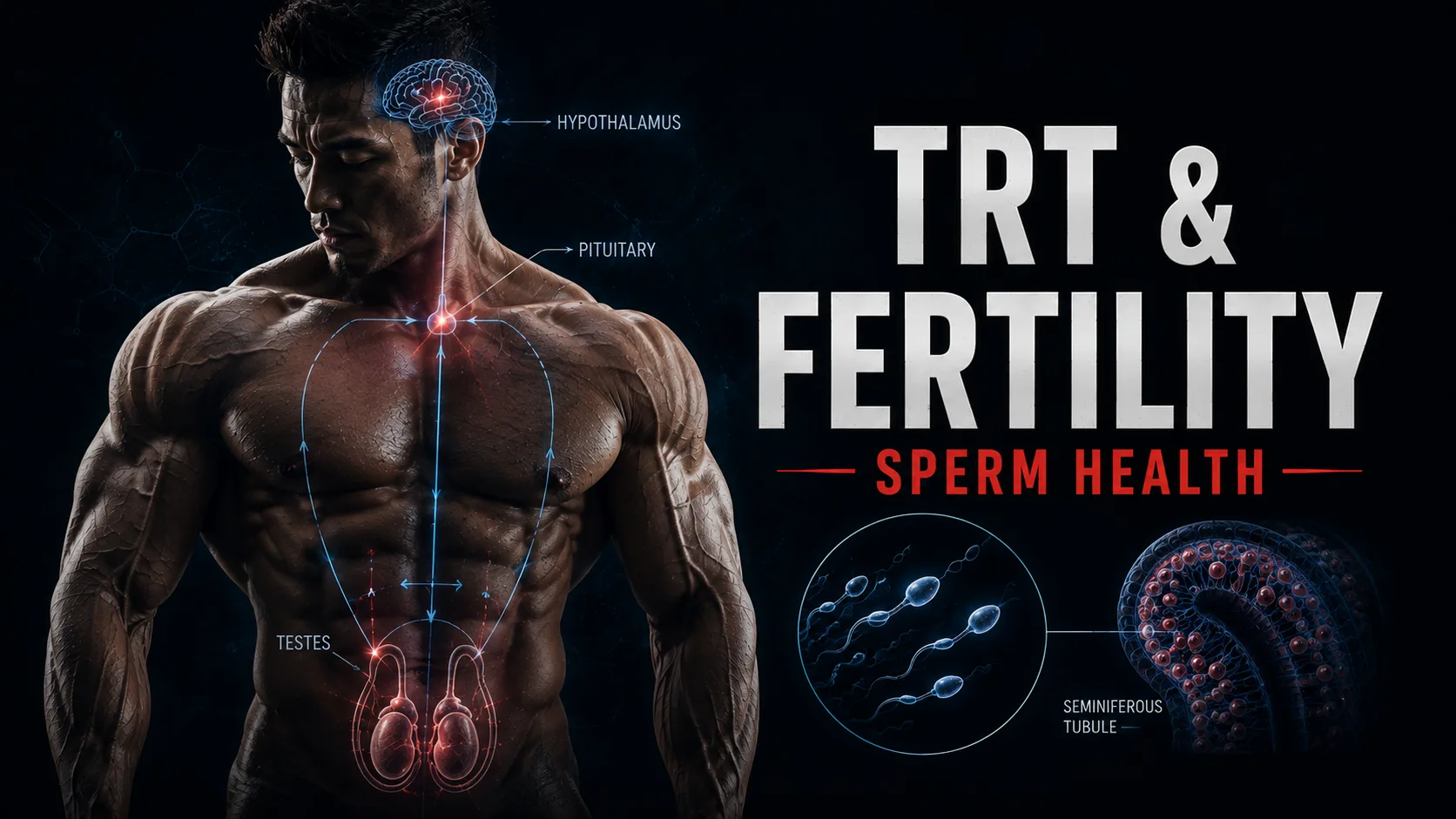
TRT and Fertility
How TRT suppresses sperm production and four ways to protect fertility on testosterone with hCG, FSH and off-cycle planning.
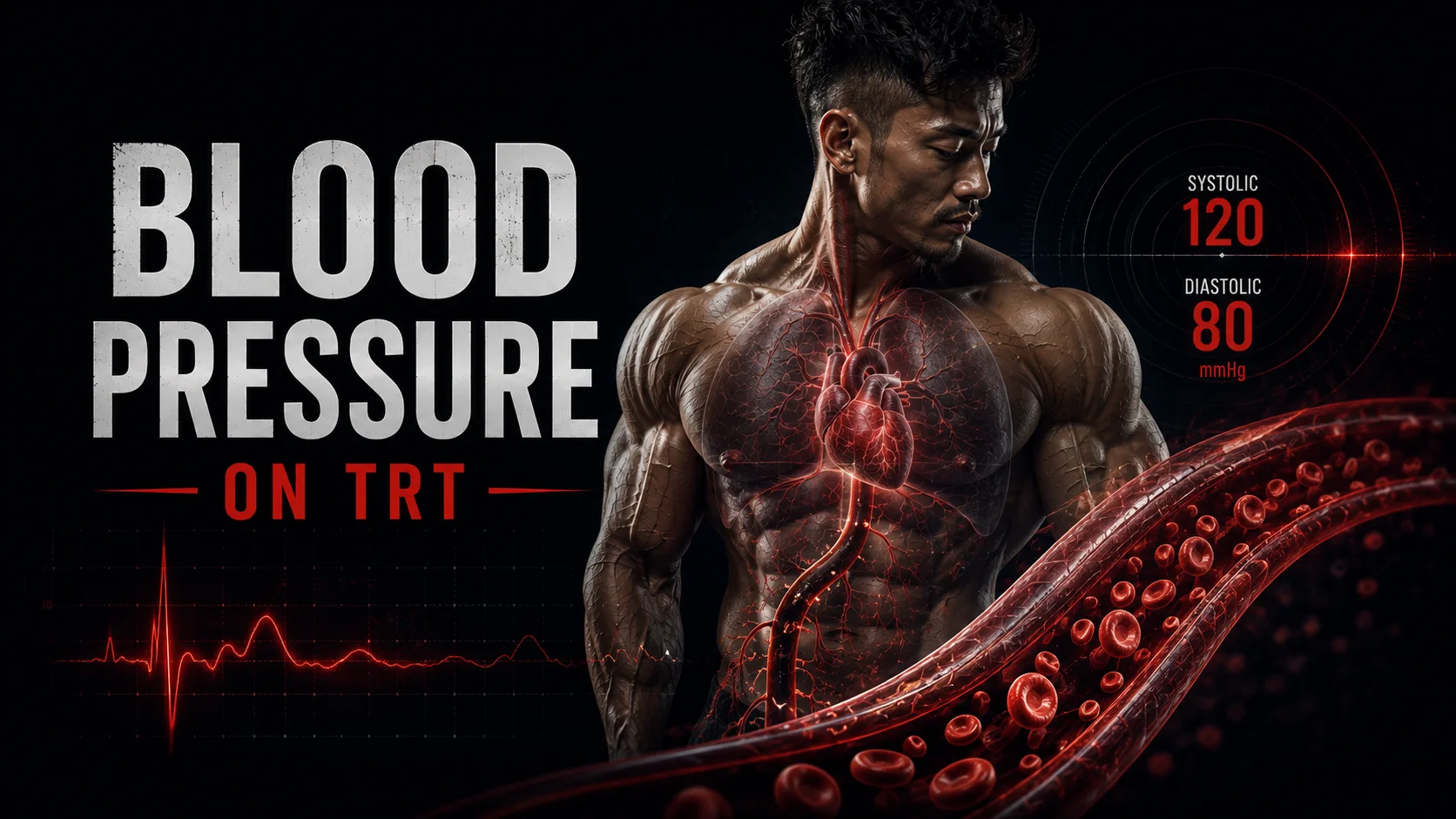
Blood Pressure on TRT
What actually raises blood pressure on TRT, by how much, and the clinical steps that bring it back down.