PCT
Structured education on post-cycle therapy, hormonal recovery, LH and FSH signaling, testosterone restoration, fertility context, bloodwork timing, and common recovery mistakes after steroid use.
Understand Post-Cycle Recovery First
These guides explain what PCT is, why suppression happens, how LH and FSH signaling works, what recovery can look like, and why bloodwork matters before comparing specific PCT methods.

What Is PCT?
Understand what post-cycle therapy means, why it exists, and how it fits into recovery after anabolic steroid suppression.

Why Steroids Cause Testosterone Suppression
Learn how anabolic steroids affect the HPTA, LH, FSH, natural testosterone production, and recovery signaling.

How Hormonal Recovery Works After Steroids
See how testosterone, LH, FSH, estradiol, libido, energy, fertility markers, and symptoms can change during recovery.
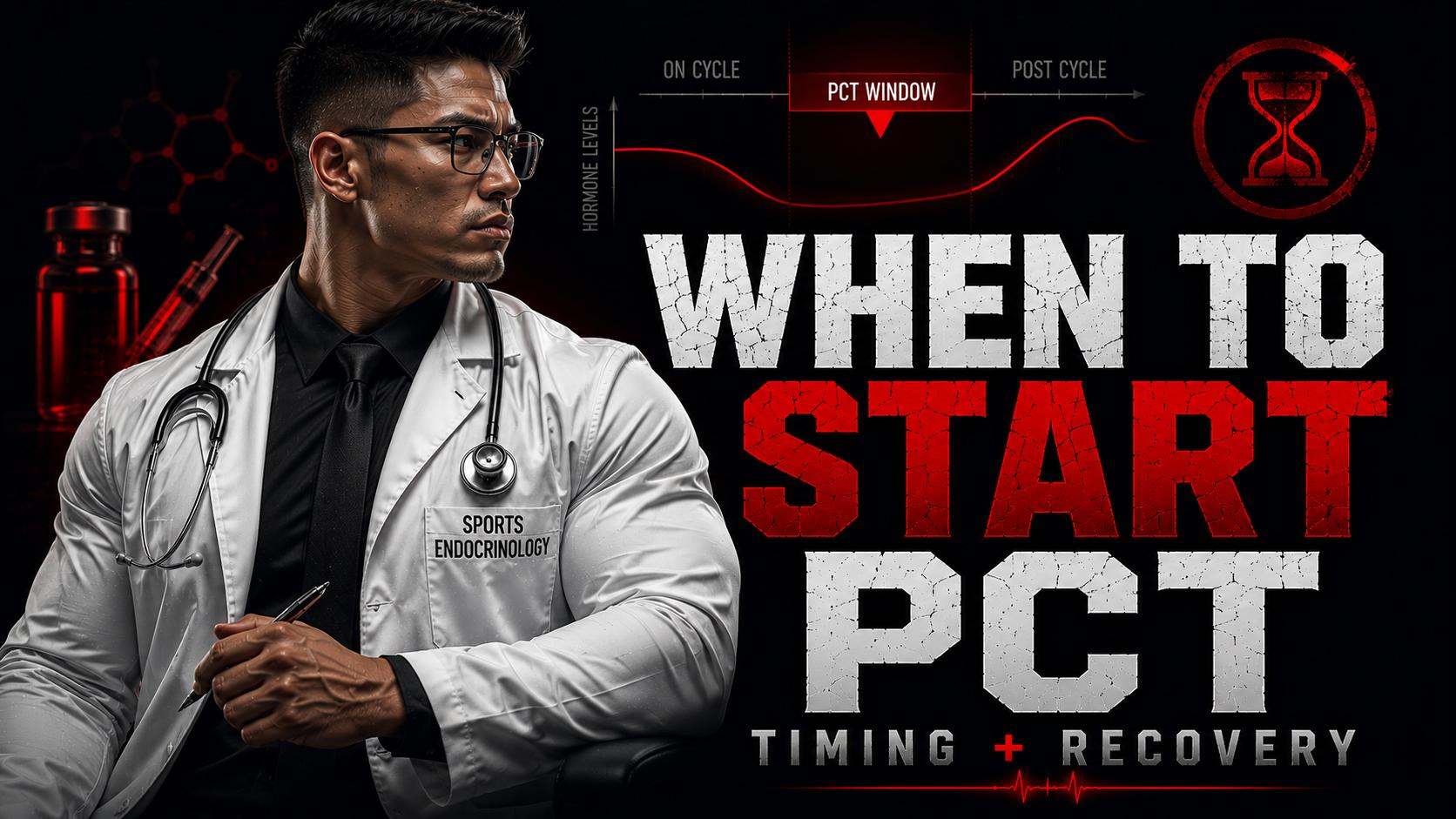
When to Start PCT After a Steroid Cycle
Understand how ester half-lives, compound clearance, and cycle length determine the right timing window for post-cycle therapy.

Bloodwork Before and After PCT
Learn which labs help evaluate suppression and recovery, including testosterone, LH, FSH, estradiol, lipids, CBC, and liver markers.

PCT Recovery Timeline
Review why recovery timelines vary depending on compounds, cycle length, suppression depth, fertility goals, and individual response.

Understand Recovery Before Comparing Methods
PCT should be learned in two layers: first, understand suppression, hormone signaling, timing, and bloodwork; then compare commonly discussed PCT methods as educational examples, not personal instructions.
Start With Recovery Logic
Learn why natural testosterone, LH, FSH, estradiol, libido, and fertility markers can change after steroid exposure.
Know When Context Changes
Ester clearance, compound duration, cycle length, and suppression depth affect when recovery frameworks are discussed.
Compare Example Structures
Tamoxifen, Clomiphene, combined SERM, and HCG-related examples should be treated as educational frameworks.
Confirm With Bloodwork
Symptoms alone do not prove recovery; follow-up labs help show whether hormone signaling is actually returning.
Example PCT Structures & Methods
These future guides will explain commonly discussed PCT methods as educational examples, not personal recommendations. Each method should be interpreted through cycle type, suppression depth, compound clearance, symptoms, bloodwork, and medical context.
Tamoxifen-Only PCT
Understand how Tamoxifen-only recovery examples are commonly structured and why bloodwork matters before judging recovery.
Clomiphene-Only PCT
Learn how Clomiphene-based examples are discussed for LH and FSH stimulation, testosterone recovery, and side-effect context.
Tamoxifen and Clomiphene PCT
Review why combined SERM examples are discussed, how they differ from single-SERM frameworks, and why more is not always better.
HCG Before PCT Explained
Learn how HCG is commonly discussed before PCT, why timing matters, and why it should not be confused with SERM-based recovery.
PCT After Testosterone-Only Cycle
See how recovery examples may differ after testosterone-only exposure, depending on ester clearance, cycle length, and labs.
PCT After Heavy Suppression
Understand why longer or harsher cycles may create more complex recovery scenarios and require careful follow-up interpretation.